
10 Everyday Habits That Can Help Support Healthier-Looking Skin
Healthy-looking skin is seldom the result of a single miracle product. It’s the outcome of steady daily habits—small, science-backed choices that add up. This post outlines practical, approachable habits you can adopt now to support clearer, more resilient skin over time.
Use these tips as a routine checklist rather than a strict regimen. Many are inexpensive, low-effort changes that work alongside any targeted skincare products you already prefer.
1. Hydrate—mindfully
Drinking water helps skin stay plump and supports circulation, but hydration is more than just glasses of water. When you sweat or are active, you lose electrolytes that affect fluid balance. Consider keeping a rehydration option on hand like electrolyte powders or drinks to maintain steady hydration during long days or workouts. If you want a convenient option to help maintain fluid balance, see electrolyte supplements.
2. Protect daily with broad-spectrum sunscreen
UV exposure is the single biggest environmental driver of visible aging. Make sunscreen a non-negotiable step—apply a broad-spectrum SPF 30 or higher every morning, and reapply if you’re outdoors for extended periods. Lightweight, fast-absorbing options make it easier to be consistent; one reliable option available on our site is La Roche-Posay Anthelios UV Pro-Sport sunscreen.
3. Cleanse gently—don’t over-strip
Cleansing removes dirt, oil and makeup, but harsh cleansers or over-washing can strip skin’s natural oils and worsen sensitivity or breakouts. Opt for a gentle, fragrance-free cleanser that lifts impurities without disrupting the barrier. If you’re refreshing your routine, check products classified under facial cleansers to find options for your skin type.
4. Moisturize to lock in function
A consistent moisturizer maintains the skin barrier, reduces transepidermal water loss, and improves texture. Choose a formula with humectants (hyaluronic acid, glycerin) and occlusives (ceramides, plant oils) suited to your skin. For everyday use, explore our selection of face moisturizers to match lightweight gels for oily skin or richer creams for dry skin.
5. Support skin structure from the inside
Topical care matters, but nutrition supports skin at the cellular level. Collagen is a structural protein that helps maintain firmness and elasticity; dietary collagen or targeted supplements can complement a balanced diet. Look into collagen supplements if you want to add a supplemental source.
Essential fatty acids like EPA and DHA help maintain skin barrier function and calm inflammation. If your diet is low in oily fish, consider high-quality omega-3 fish oil supplements as part of a consistent approach to skin health.
6. Prioritize sleep and stress management
During sleep the body performs key repair and regenerative functions. Poor sleep and chronic stress raise cortisol and inflammatory signaling, which can worsen breakouts, sensitivity and uneven tone. Aim for 7–9 hours of consistent sleep, build a calming pre-bed routine, and use simple stress-reduction practices—short breathing exercises, a brief walk, or limiting screens an hour before bed. For people who find magnesium helpful for relaxation and sleep quality, targeted magnesium supplements may be worth discussing with a healthcare provider.
7. Support the gut-skin axis
The balance of gut microbes influences systemic inflammation, nutrient absorption and skin conditions like acne and eczema. A varied diet rich in fiber, fermented foods, and prebiotic vegetables supports microbial diversity. When needed, short-term or targeted use of probiotic supplements can be an adjunct to dietary changes, especially after antibiotics or during digestive disturbances.
8. Avoid habits that accelerate visible aging
Smoking, excessive alcohol, and high-sugar diets accelerate collagen breakdown and inflammation. Regularly consuming whole foods, prioritizing vegetables and lean protein, and reducing processed sugars supports clearer skin and more even tone. If you drink alcohol, keep it moderate and hydrate well on days you do; if you smoke, seek resources to quit—your skin benefits quickly after cessation.
9. Moderate exfoliation and targeted actives
Exfoliation—mechanical or chemical—removes dead skin cells and can brighten tone, but frequency matters. For most people, 1–3 gentle chemical exfoliations per week (low percentages of glycolic, lactic, or salicylic acid depending on skin type) is enough. Be cautious introducing multiple active ingredients at once; pair actives with a solid moisturizer and sunscreen routine.
10. Keep routines consistent, not complicated
Choose a simple morning and evening routine you can follow reliably. Small, consistent daily steps—cleanse, treat (if needed), moisturize, sunscreen—yield better outcomes than sporadic intense regimens. Track what works over 4–8 weeks; skin turnover typically takes time to show change.
Quick checklist
- Drink water and replenish electrolytes during activity.
- Apply broad-spectrum sunscreen every morning.
- Use a gentle cleanser—don’t over-wash.
- Moisturize daily to support the skin barrier.
- Include collagen- and omega-3–supporting foods or supplements.
- Prioritize sleep and manage stress.
- Support gut health with fiber and, if needed, probiotics.
- Limit smoking, excessive alcohol and added sugars.
FAQ
Q: How soon will I see results from these habits?
A: You may notice improved hydration and softness within days; significant textural or tone changes often take 4–12 weeks as skin cells turn over.
Q: Do I need supplements to get healthier skin?
A: Supplements can help when diet lacks specific nutrients, but they aren’t a substitute for a balanced diet, sleep, sun protection and topical care.
Q: How do I choose a moisturizer for my skin type?
A: For oily or acne-prone skin, pick lightweight, non-comedogenic gels or lotions. For dry skin, choose creams with occlusives and ceramides. Our face moisturizers collection can help you compare formulations.
Q: Are topical and oral collagen the same?
A: Topical collagen can smooth temporarily, but oral collagen peptides aim to supply amino acids that support skin structure from within. Consider combining dietary sources, collagen supplements, and barrier-supporting topicals for synergy.
Q: Can probiotics help acne?
A: Some people see improvements in inflammation and complexion with probiotics, especially when gut imbalance contributes to symptoms. Results vary; choose strains with clinical support and use alongside diet and skincare changes.
Conclusion
Healthier-looking skin is built by daily habits: protection, gentle care, nutrition, sleep and stress management. Start with a few of the suggestions above and track consistency over weeks rather than chasing quick fixes. Small, reliable changes consistently applied are the most practical route to more resilient, glowing skin.
Products Featured in This Article
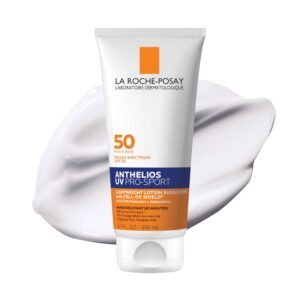
La Roche-Posay Anthelios UV Pro-Spo…
From the manufacturer 1 KEY INGREDIENTS 2 DERM INSIGHT 3 SAFETY COMPLETE THE ROUTINE Add to…