
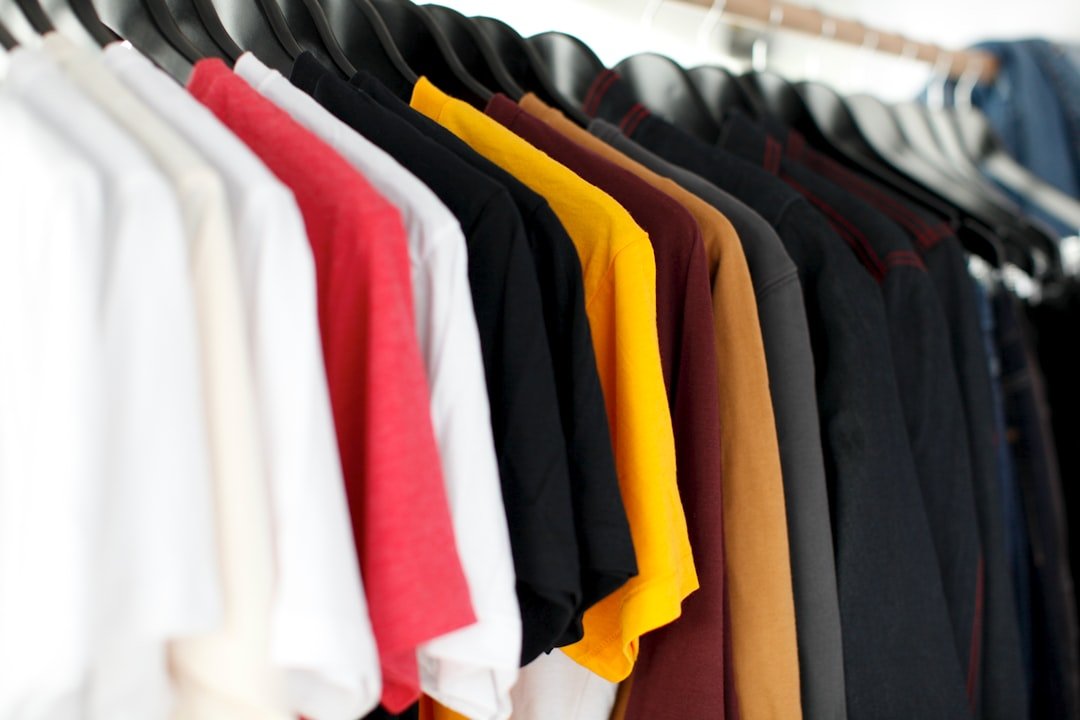
How to Care for Clothes So They Look Better for Longer
Good-looking clothes start with good habits. The better you treat fabrics, seams and finishes from the first wear, the less time and money you spend on repairs or replacements.
This guide lays out practical, trustworthy steps—fabric by fabric, garment by garment—so your wardrobe stays sharper, fresher and more wearable season after season.
Know your fabrics (read the label, not the tag)
Start by learning what your clothes are made of. Natural fibers (cotton, linen, wool, silk) and synthetics (polyester, nylon, acetate) behave very differently under heat, agitation and moisture. Delicate items such as silk or chiffon—think summer Dresses and lightweight blouses—need gentler handling: low temperatures, mild detergents and minimal mechanical action.
Sort, pre-treat and protect
Sort by color and fabric weight; always separate heavily soiled pieces. For stains, act fast: blot liquids, scrape solids, then apply a targeted pre-treatment. Be careful with perfumes and sprays—some can discolor or leave rings on fabrics; apply them to skin or hair rather than directly onto clothing and consider how a scent interacts with delicate pieces listed under Perfume & Fragrance before dressing.
Washing smartly: machine and hand-wash tips
Match cycle to garment. Use short, gentle cycles and cold water for most mixed-fabric loads to reduce fading, shrinkage and mechanical wear. For structured items—like pleated or creased Tailored Trousers—turn them inside out, use a laundry bag if machine washing, or better yet, spot-clean and steam to preserve shape.
Choose detergents formulated for the fabric type. Avoid overloading the machine—friction causes pilling and weakens fibers.
Delicates, silk and scarves: gentle is best
Silk and lace need special care. Hand-wash in cool water with a mild detergent, rinse gently, and never wring. For lightweight accessories such as silk Scarves, roll in a towel to remove excess water and lay flat to dry away from direct sunlight to prevent color loss and distortion.
Drying, reshaping and heat management
Air-drying is safer than tumble-drying for most items. Reshape garments while damp—smooth seams, re-form collars and straighten hems. Use the dryer sparingly and on low heat for durable fabrics only. For knitwear and wool, flat-dry to avoid stretching; if you need to freshen a piece between washes, a short steam cycle or a cool iron with a protective cloth will often do the job.
When you do use heat tools, protect fabrics from styling-product residue. If you use stronger hair products, keep build-up off collars and cuffs and consider rinsing those areas before washing; browse gentle options in the Shampoo & Conditioner category for lower-residue formulas.
Mend early, store wisely
Fix small issues before they grow: reattach buttons, repair loose seams, replace broken zippers. Proper storage prevents long-term damage—fold heavy knits, hang coats on wide, shaped hangers, and store off-season pieces in breathable containers. Condition and store leather separately: clean and moisturize before long-term storage, and keep items such as Leather Handbags filled with acid-free tissue to retain shape.
Caring for accessories: sunglasses
Accessories need attention too. Lenses attract oils and grit—clean sunglasses with a soft microfiber cloth and lukewarm water; avoid paper towels and hot air. Keep them in a protective case to prevent scratches and warping when not in use. See selections in the Sunglasses collection for inspiration on durable, well-made frames.
Caring for accessories: watches and hardware
Metal hardware and timepieces can tarnish or scratch. Wipe watches and metal buckles after wear to remove sweat and lotions. Store jewelry and watches separately in soft pouches or lined boxes to prevent abrasion—explore the watch options in the Watches category for examples of well-finished pieces whose maintenance matters.
Eco-friendly, cost-effective practices
Extend garment life and reduce environmental impact by washing less, using concentrated detergent, and choosing repair over replacement. Cold-water detergents designed for low temperature washes maintain color and fabric integrity. Whenever possible, air-dry and use eco-mode settings on machines.
Quick care checklist
- Read the care label before washing.
- Sort by color and fabric weight.
- Treat stains immediately—blot, then pre-treat.
- Use gentle cycles and cold water for mixed loads.
- Air-dry delicates; reshape while damp.
- Mend small issues immediately to prevent bigger repairs.
- Protect accessories in cases and soft pouches.
- Store seasonally in breathable containers; avoid plastic for long-term storage.
FAQ
Q: How often should I wash jeans?
A: Wash jeans only when visibly soiled or after 8–12 wears to preserve dye and shape; spot-clean as needed.
Q: Can I use regular detergent on wool?
A: No—use a detergent labeled for wool/delicates or a mild baby shampoo alternative and hand-wash or use a wool cycle.
Q: What’s the best way to remove oil-based stains?
A: Absorb excess with a paper towel, apply a solvent-based pre-treatment or dish soap to break up oils, then launder according to the garment’s care instructions.
Q: How do I prevent pilling?
A: Turn garments inside out before washing, use gentle cycles, avoid fabric softener on synthetics, and remove pills with a fabric shaver.
Q: Can perfume damage fabrics?
A: Yes—certain formulations can leave yellow marks or stiff residues. Apply perfume to skin or hair and let it dry before dressing; avoid spraying directly onto delicate garments in the Perfume & Fragrance range.
Q: How should I store seasonal clothes?
A: Clean garments before storing, use breathable garment bags or boxes, add cedar or lavender sachets to deter pests, and avoid vacuum-sealing natural fibers long-term.
Conclusion
Consistent, simple habits—correct sorting, gentle cleaning, timely repairs and thoughtful storage—keep clothes looking better for longer. Start with small changes today: read labels, treat stains promptly, and protect delicate pieces. Those steps save time, money and extend the life of your favorite garments.