

Good nutrition doesn’t need to be complicated. For beginners, focusing on three pillars—protein, hydration, and everyday micronutrients—gives the biggest return for time and effort. This guide breaks those pillars into simple, practical steps you can start applying tomorrow.
You’ll get clear explanations, realistic portion ideas, and when supplements can help fill gaps. Read with an eye toward small changes that build reliable habits.
Protein basics: why it matters
Protein supports muscle repair, steady energy, and satiety. If you skip it at meals, you’re more likely to snack or overeat later. Aim for a source of protein with every main meal: eggs, beans, yogurt, lean meat, or a powder when convenience matters.
For busy days or post-workout recovery, a trusted whey powder can be a convenient, complete option: NAKED Whey Protein.
Practical protein targets and meal ideas
General starting targets: 20–30 g of protein at breakfast and lunch, 25–40 g at dinner depending on body size and activity. Use simple swaps to hit those targets:
- Breakfast: Greek yogurt + nuts, or eggs + whole-grain toast.
- Lunch: Grilled chicken salad, tuna wrap, or a chickpea bowl with quinoa.
- Dinner: Salmon or tofu with vegetables and a starchy side (rice, potatoes).
- Snacks: Cottage cheese, a boiled egg, or a scoop of protein with fruit.
Track a week to learn your baseline, then tweak portion sizes. Timing matters less than consistency—distribute protein across the day rather than loading one meal.
Hydration essentials: more than plain water
Hydration affects cognition, digestion, temperature regulation, and exercise performance. A basic rule is to sip regularly throughout the day and increase intake around workouts, hot weather, or illness.
For active people or longer workouts consider an electrolyte-replenishing option that replaces sodium, potassium and magnesium without excess sugar—an easy example is Zeal Naturals Electrolyte Powder, which can be mixed into water when you need more than plain fluids.
When to use electrolyte supplements
Most days, water and a balanced diet are enough. Use electrolyte supplements in these situations:
- Prolonged exercise (>60 minutes) or heavy sweating.
- Illness with vomiting or diarrhea.
- Low-carb or ketogenic phases where sodium and potassium needs can rise.
If you want a broader selection or comparison, browse targeted options in the Electrolyte Supplements category to pick one that matches your taste and formulation preferences.
Healthy fats and omega-3s
Omega-3 fatty acids (EPA and DHA) support heart and brain health and are useful when fish intake is low. Aim for at least two servings of fatty fish weekly or consider a concentrated supplement if you don’t meet that target.
For a high-concentration option, consider products formulated for strong EPA/DHA content like Triple Strength Omega 3 Fish Oil. Always follow the package directions and talk to a provider if you take blood thinners or have a bleeding disorder.
Vitamin D: why it’s often recommended
Vitamin D supports bone health, immunity, and mood regulation. Sun exposure helps produce D but many people in cooler climates or with limited sun need supplementation, especially in autumn and winter.
High-dose, weekly or monthly regimes exist for deficiency under professional guidance; one example of a high-potency option is ForestLeaf Vitamin D3 50,000 IU, typically used under supervision after testing. A daily low-dose option is often sufficient for maintenance.
Magnesium for recovery and sleep
Magnesium plays roles in muscle relaxation, sleep quality, and nerve function. If you experience muscle cramps, restless sleep, or high stress, checking intake makes sense.
A commonly used supplement is a chelated magnesium that balances absorption and tolerability, for example Metagenics Magnesium Citrate. Start at the lower end of dosing to test tolerance.
Multivitamins and when they help
Multivitamins can be a practical safety net when diet variety is limited—e.g., during busy seasons, travel, or calorie-restricted phases. They’re not a replacement for whole foods, but they can reduce the risk of shortfalls for common nutrients like B-vitamins, vitamin D, and iron in certain groups.
If you prefer a convenient daily option tailored for older adults or women over 50, consider a targeted formula such as Centrum Minis Silver Women’s Multivitamin.
Gut health and simple support
A healthy gut helps with nutrient absorption and digestion. Fermented foods, fiber-rich produce, and consistent meal timing support beneficial microbes. When digestive issues persist, a targeted probiotic can be a short-term tool.
For women looking for a focused probiotic blend supporting digestive and urinary tract balance, options like Physician’s CHOICE Probiotics are formulated with multiple strains; use for a trial period and note symptom changes.
Quick checklist
- Include 20–40 g of protein per main meal; use whole foods first, powder if needed.
- Drink regularly; add electrolytes for long workouts or heavy sweating.
- Aim for two servings of fatty fish per week or supplement with omega-3s.
- Check vitamin D seasonally; supplement if sun exposure is low.
- Consider magnesium for cramps or sleep disturbances at low starting doses.
- Use a multivitamin as a short-term safety net—not a food replacement.
- Support gut health with fiber, fermented foods, and a probiotic trial if needed.
FAQ
How much protein do I really need each day?
A useful starting recommendation is 0.8–1.2 g per kg bodyweight for general health; active people and older adults often benefit from higher intake (1.2–1.8 g/kg). Focus on consistent distribution across meals.
Can I drink too much water?
Yes—hyponatremia (low blood sodium) is rare but possible with excessive plain water during prolonged sweating. Use electrolyte-containing beverages during long endurance sessions to maintain balance.
When should I take vitamin D?
Timing doesn’t hugely alter absorption; take it with a meal that contains some fat. If you suspect deficiency, get a blood test and follow a clinician’s dosing plan.
Are protein powders necessary?
No—whole foods should be first choice. Powders are a convenience for meeting targets around busy days or workouts. Choose a simple, transparent product and aim for 20–30 g per serving when used.
How long before I see benefits from supplements?
Some effects (like improved hydration or reduced cramps) can appear within days; others (vitamin D repletion, omega-3 changes) take weeks to months. Track symptoms and consult a professional for long-term plans.
Conclusion: a practical takeaway
Start with three habits: add a protein portion to every meal, sip water consistently and add electrolytes around heavy exercise, and ensure basic micronutrient coverage (vitamin D, magnesium, omega-3s) through diet or targeted supplements as needed. Small, consistent steps beat sporadic perfection—measure how you feel, refine, and build from there.
Products Featured in This Article
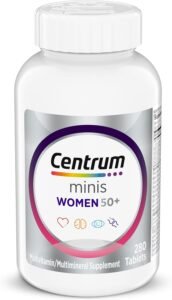
Centrum Minis Silver Women’s …
Centrum Minis Silver Women’s Multivitamin for Women 50 Plus brings you a multivitamin/multimineral supplement that helps…

ForestLeaf Vitamin D3 50,000 IU Hig…
Product description The video showcases the product in use.The video guides you through product setup.The video…
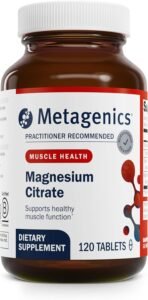
Metagenics Magnesium Citrate, Chela…
Product description Discover More Products from Metagenics Add to Cart Add to Cart Add to Cart…
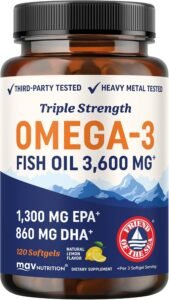
Triple Strength Omega 3 Fish Oil 36…
Product description Omega Essential Fatty Acids Add to Cart Add to Cart Add to Cart Add…

Physician’s CHOICE Probiotics…
Product description Product Dimensions : 2.21 x 2.21 x 3.82 inches; 0.01 ounces Date…
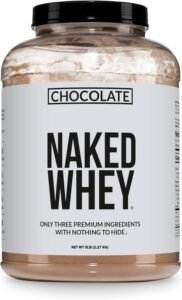
NAKED Whey Protein Supplement Powde…
Product description Product Dimensions : 10.98 x 7.91 x 7.8 inches; 5 pounds Item…
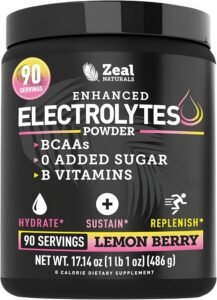
Zeal Naturals Electrolyte Powder &#…
Product description Electrolyte Powder Recovery Drink – Sugar Free – for Men & Women Hydration Supplement…