
A Beginner’s Guide to Understanding Common Skincare Ingredients
Skincare ingredient lists can feel like a foreign language: long chemical names, unfamiliar actives, and conflicting advice. This guide breaks down the most commonly used ingredients, what they do, and how to choose products that work for your skin without unnecessary complexity.
Below you’ll find clear explanations of cleansers, hydrators, antioxidants, exfoliants, sunscreens, and helpful supplements—plus a short checklist and FAQs to make product shopping easier and safer.
How to read an ingredient list
Ingredients are listed in descending order by concentration. Focus on the first 10–15 ingredients for the formula’s backbone; actives like vitamin C, retinoids, and peptides can appear farther down but still be effective at lower concentrations. Look for familiar functional groups: surfactants (cleansing), humectants (hydration), emollients (softening), occlusives (barrier protection), and preservatives.
Cleansers and surfactants: balancing cleanliness and barrier health
Cleansers remove dirt, oil, and sunscreen. Gentle surfactants (e.g., sodium cocoyl isethionate, decyl glucoside) cleanse without stripping. Avoid strong sulfate detergents if you have dry or sensitive skin. If you’re shopping for a gentle, science-backed option, consider formulas from trusted brands that prioritize mild surfactants and soothing additives like niacinamide and ceramides—products similar to La Roche-Posay Toleriane Purifying Foaming Facial Cleanser.
Hydrators: hyaluronic acid, glycerin, and ceramides
Hydration is key to healthy-looking skin. Humectants such as hyaluronic acid and glycerin draw water into the skin. Ceramides and fatty acids help rebuild the barrier. If barrier repair is your goal, look for products that explicitly include ceramides and supportive ingredients; many topical products and targeted supplements focus on this approach—one topical option to note is La Roche-Posay Toleriane Double Repair Face Moisturizer.
Ceramides and barrier-supporting supplements
Ceramides in creams restore the lipid matrix of the skin’s outer layer and reduce moisture loss. For people who want targeted support, there are topical ceramide serums and products formulated specifically to improve texture and reduce fine lines—an example is Life Extension Skin Restoring Ceramides, which is positioned as a supplemental option to complement topical care. Always use supplements as part of a broader routine and consult a healthcare provider for personalized guidance.
Antioxidants: vitamin C, vitamin E, and niacinamide
Antioxidants protect against free-radical damage from UV and pollution and can brighten tone and smooth texture. Vitamin C (ascorbic acid) is a popular daytime antioxidant that reduces dark spots and supports collagen. If you prefer ready-made formulations, look for stable serums with supporting ingredients like ferulic acid and vitamin E—products such as TruSkin Brightening Vitamin C Serum are examples of this category. Niacinamide is another versatile ingredient: it calms redness, strengthens barrier function, and works well alongside antioxidants.
Exfoliants and retinoids: resurfacing with care
Alpha hydroxy acids (AHAs) like glycolic and lactic acid remove dead surface cells and help with texture and pigmentation. Beta hydroxy acid (salicylic) is oil-soluble and excellent for unclogging pores. Retinoids increase cell turnover and boost collagen but can cause irritation initially; introduce them slowly and pair with moisturizers and sunscreen. Avoid over-exfoliation—stick to recommended frequencies based on product strength and your skin’s response.
Sunscreen filters: why broad-spectrum matters
Sunscreen is non-negotiable. Broad-spectrum products protect against UVA (aging) and UVB (burning). Physical filters (zinc oxide, titanium dioxide) sit on the skin and reflect UV; chemical filters absorb UV energy. Choose formulas you’ll wear daily—if you need a high-performance option for active days, check products labeled for sport or water resistance like La Roche-Posay Anthelios UV Pro Sport SPF.
Supplements that can support skin health
Topical care is foundational, but some supplements can support skin from within: collagen peptides for elasticity, omega-3s for inflammation, vitamin D for immune and barrier function. If you’re considering supplementation, explore category options and product quality—collagen-focused options are available under broader supplement categories like Collagen Supplements. For vitamin D specifically, higher-potency formulations such as ForestLeaf Vitamin D3 50,000 IU exist for deficiency under medical supervision—do not self-prescribe high-dose vitamin D without testing and professional advice.
Body care: lotions, humectants, and targeted ingredients
Body skin needs similar attention: hydrating humectants, occlusives to lock moisture, and active ingredients for specific concerns like roughness or itching. For daily body hydration, pick a product with glycerin or niacinamide and a comforting emollient base—options like NIVEA Intense Healing Body Lotion are formulated for very dry skin and can be a practical starting point.
Choosing products for your skin type
Match ingredients to needs: oily/acne-prone skin benefits from lightweight, non-comedogenic formulas with salicylic acid and niacinamide; dry skin needs richer creams with ceramides and occlusives; sensitive skin does best with fragrance-free, minimal-ingredient products. Patch-test new actives and introduce one product at a time so you can identify reactions.
Quick checklist: what to look for when shopping
- Read the first 10–15 ingredients to understand the formula base.
- For hydration: glycerin, hyaluronic acid, ceramides.
- For acne/oily skin: salicylic acid, niacinamide, non-comedogenic labels.
- For aging/texture: vitamin C, retinoids, peptides.
- Always use broad-spectrum sunscreen daily.
- Introduce active ingredients slowly and patch-test.
FAQ
Q: Can I layer vitamin C and sunscreen?
A: Yes. Apply vitamin C serum in the morning, allow it to absorb, then follow with a broad-spectrum sunscreen.
Q: Do ceramide supplements replace topical ceramides?
A: Supplementing may support barrier health systemically, but topical ceramides directly replenish the skin’s outer layer. They are complementary, not interchangeable.
Q: How do I avoid irritation when starting retinoids?
A: Begin with a low-strength product, apply every other night, use a gentle moisturizer, and avoid combining with strong AHAs/BHAs initially.
Q: Are “natural” ingredients always better for sensitive skin?
A: Not necessarily. Natural extracts can still be irritating or allergenic. Fragrance-free, minimal-ingredient formulations are often better for sensitive skin.
Q: When should I consider supplements for skin?
A: Consider supplements if dietary gaps exist or you have specific concerns (e.g., collagen or omega-3s), and consult a clinician—options are available for collagen support and vitamin D under guidance.
Conclusion: a practical takeaway
Start with a gentle cleanser, a hydrating moisturizer with ceramides, a daytime antioxidant like vitamin C, and daily broad-spectrum sunscreen. Introduce one active at a time and consider targeted supplements if needed and appropriate. Small, consistent steps yield the most reliable skin improvements.
Products Featured in This Article
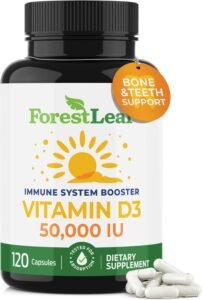
ForestLeaf Vitamin D3 50,000 IU Hig…
Product description The video showcases the product in use.The video guides you through product setup.The video…
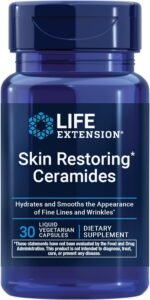
Life Extension Skin Restoring Ceram…
Skin Restoring Ceramides* is an oral supplement that can help you level up your beauty regimen!…
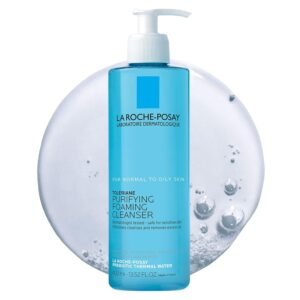
La Roche-Posay Toleriane Purifying …
From the manufacturer 1 RESULTS 2 SAFETY 3 DERMATOLOGIST INSIGHT COMPLETE YOUR ROUTINE Add to Cart…
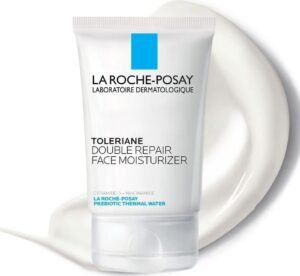
La Roche-Posay Toleriane Double Rep…
AQUA / WATER / EAU • GLYCERIN • SQUALANE • DIMETHICONE • ZEA MAYS STARCH /…
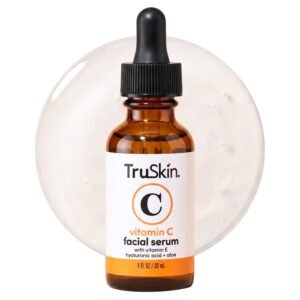
TruSkin Brightening Vitamin C Serum…
Product description Complete your regimen for nourished, glowing skin. Add to Cart Add to Cart Add…
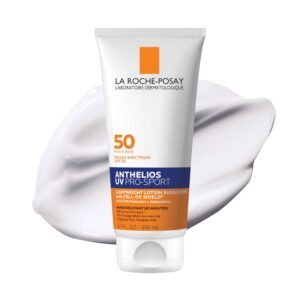
La Roche-Posay Anthelios UV Pro-Spo…
From the manufacturer 1 KEY INGREDIENTS 2 DERM INSIGHT 3 SAFETY COMPLETE THE ROUTINE Add to…
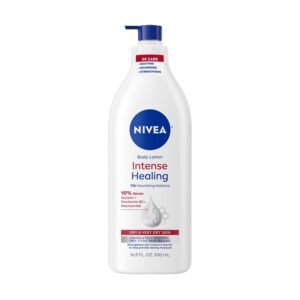
NIVEA Intense Healing Body Lotion, …
Immediately soothe dry, itchy skin feeling with NIVEA Intense Healing Body Lotion. Enriched with a 10%…