

A Beginner’s Guide to Vitamins and Daily Supplements
Starting a vitamin or supplement routine can feel overwhelming: labels, doses, and stacks of products all promising better energy, immunity, or skin. This guide cuts through the noise with clear, practical advice so you can make informed choices that fit your lifestyle.
Focus on a few evidence-backed supplements, match them to your diet and needs, and use simple habits so daily intake becomes reliable—not stressful.
1. The basics: what supplements do and when they help
Supplements fill nutritional gaps, support specific goals (bone health, recovery, digestion) and can help when dietary intake or absorption is limited. They’re not replacements for whole foods: think of them as targeted insurance for common shortfalls.
For general coverage, many people start with a quality Multivitamin supplements to help cover micronutrient variability from an imperfect diet.
2. Vitamin D: why it matters and how to take it
Vitamin D supports bone health, immune function, and mood regulation. Because sun exposure varies by season, location, and lifestyle, deficiency is common.
If you suspect low levels, a simple blood test checks 25(OH)D. Many people benefit from daily supplementation, especially in low-sun months—options and potencies are available in the Vitamin D supplements category.
3. Omega-3 fatty acids: brain, heart and inflammation support
EPA and DHA (the key omega-3s from fish oil) are linked to cardiovascular and cognitive health and can help manage chronic, low-level inflammation. If you eat fatty fish twice weekly, you may get enough; if not, a supplement is a practical option.
Browse the Omega-3 Fish Oil Supplements for concentrated EPA/DHA formulas. For those wanting a high-potency example, consider a concentrated product like Triple Strength Omega 3 Fish Oil 3600 mg, which highlights how formulations differ by EPA/DHA amounts and purity.
4. Magnesium: muscle, sleep and calm
Magnesium participates in hundreds of biochemical reactions—muscle relaxation, sleep quality, and nerve function. Modern diets and stress can lower magnesium status for many people.
If you notice muscle cramps, poor sleep, or restlessness, magnesium supplementation may help. Look for types with good absorption and tolerability in the Magnesium Supplements category. Start with recommended dosing on the label and adjust based on response.
5. Probiotics: supporting digestion and regularity
Probiotic supplements can help rebalance gut flora after antibiotics, relieve occasional bloating, or support regularity. Effects are strain-specific, so choose a product matched to your concern—general digestive support, women’s health, or immune benefits.
For accessible options, see curated choices in the Probiotic Supplements category. Remember to store as directed (some require refrigeration) and use for a few weeks to assess benefit.
6. Protein: when powder makes sense
Protein supplements are practical when whole-food protein is inconvenient or when higher intake supports muscle recovery and satiety—useful for active people, older adults, or those with limited appetites.
Whey, plant-based blends, and casein all have different absorption profiles. If you struggle to reach daily protein goals, a trusted option from the Protein Powder Supplements category can be a simple, measured way to add 20–30 g per serving.
7. Hydration & electrolytes: more than water
On hot days, during long workouts, or when recovering from illness, electrolytes (sodium, potassium, magnesium) matter. Plain water alone can dilute electrolytes; targeted supplements or powders replace what you lose through sweat.
For travel, training, or kettlebell sessions, consider replenishing with options from the Electrolyte Supplements category to maintain performance and prevent cramping.
8. Choosing quality: labels, dosages and timing
Look for products that list ingredient forms (e.g., magnesium citrate vs. oxide), exact amounts per serving, and third-party testing where available. Avoid proprietary blends that hide doses. Start low and build up to recommended amounts to gauge tolerance.
Timing can matter: fat-soluble vitamins (A, D, E, K) absorb better with food; magnesium often works well in the evening for sleep; protein is useful post-workout or between meals for satiety. Keep a simple schedule—morning for multivitamin and vitamin D with breakfast, protein around workouts, magnesium at night, and omega-3 with a meal containing fat.
Daily checklist
- Assess diet first—identify possible gaps (low fish, low dairy, low greens).
- Consider a baseline multivitamin for general coverage (Multivitamin supplements).
- Add Vitamin D if sun exposure is limited (Vitamin D supplements).
- Include omega-3 if fish intake is low (Omega-3 Fish Oil Supplements).
- Use magnesium for sleep/muscle support (Magnesium Supplements).
- Add probiotics or electrolytes as needed (Probiotic Supplements, Electrolyte Supplements).
FAQ
- Do I need a blood test before starting supplements?
Not always. For targeted nutrients like vitamin D or iron, a test helps tailor dose. For general multivitamins or omega-3s, many people start without testing but consider testing if you have symptoms or a medical condition.
- Can I take everything at once?
Some can be combined, but spacing is useful for absorption: calcium can interfere with iron; fat-soluble vitamins absorb with meals; magnesium at night can be calming. Read labels and stagger if unsure.
- Are natural supplements better than synthetic?
“Natural” isn’t always superior. Look at the specific nutrient form, bioavailability, and third-party testing rather than marketing terms.
- How long before I notice benefits?
It varies: energy changes may appear in days–weeks, skin and hair could take months, and bone-related benefits appear over longer periods. Track progress with simple markers (energy, sleep, digestion).
- What if I’m on medications?
Some supplements interact with medications. Check with a clinician or pharmacist before starting new supplements if you’re on prescription drugs.
Conclusion
Start simple: prioritize a basic multivitamin if your diet is inconsistent, add vitamin D and omega-3s if intake is low, and use magnesium, probiotics, protein powders, or electrolytes for specific needs. Pick one change at a time, track how you feel, and adjust. A consistent, minimal routine beats an overloaded shelf of unused bottles.
Products Featured in This Article
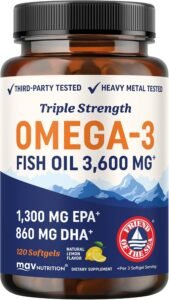
Triple Strength Omega 3 Fish Oil 36…
Product description Omega Essential Fatty Acids Add to Cart Add to Cart Add to Cart Add…