
How to Build a Simple Skincare Routine for Your Skin Type
Skincare doesn’t need to be complicated. A simple, consistent routine tailored to your skin type delivers the best daily results and protects your skin barrier over time.
This guide breaks down the essential steps—what to use in the morning and evening, how to choose products for common skin types, and small lifestyle choices that improve skin health. Follow these practical steps and adapt them as your skin changes.
Identify Your Skin Type
Before you choose products, determine whether your skin is: oily, dry, combination, sensitive, or normal. A quick way: wash your face, wait an hour without applying anything, then observe. If skin feels tight and flaky = dry. If it becomes shiny in the T‑zone = combination. If pores look large and skin feels slick = oily. Redness, stinging or inflammation = sensitive. Normal skin feels balanced.
Knowing your type helps prioritize ingredients—hydrating ceramides and hyaluronic acid for dry skin, oil‑balancing niacinamide for oily skin, and gentle, fragrance‑free options for sensitive skin.
Daily AM Routine
Your morning routine should cleanse lightly, treat targeted concerns, hydrate, and protect. Keep it short: cleanser, antioxidant serum, moisturizer, and sunscreen.
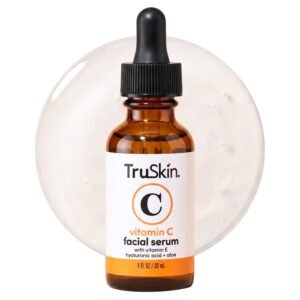
For daytime antioxidants, a vitamin C serum helps protect against environmental stressors and brightens skin tone. If you want an easy, well‑reviewed option to try as part of your morning routine, consider the TruSkin Brightening Vitamin C Serum.
Daily PM Routine
The evening is for repair. Cleanse to remove sunscreen and makeup, then apply active treatments if needed (retinoids, chemical exfoliants), a hydrating serum or moisturizer, and a gentle eye cream if desired.
Keep actives simple: use a retinoid or a chemical exfoliant a few nights a week rather than layering multiple strong actives every evening. Slowly introduce any new active to monitor tolerance.
Cleansing: Choose the Right Cleanser
Cleansers remove dirt, excess oil, and residue while preserving the skin barrier. For sensitive or dry skin, choose a gentle cream or micellar cleanser; for oily skin, a lightweight foaming or gel cleanser can help without over‑stripping.
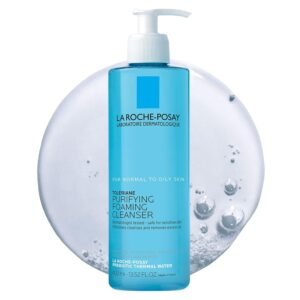
If you prefer dermatologist‑tested, fragrance‑free options for sensitive skin, this cleanser is a good example to look for: La Roche‑Posay Toleriane Purifying Foaming Facial Cleanser. It balances cleansing and comfort for many skin types.
Serums & Targeted Treatments
Serums deliver concentrated ingredients to address specific concerns—hydration, brightening, acne, or aging. Incorporate serums gradually and match the ingredient to your goal:
- Hyaluronic acid for hydration
- Vitamin C for antioxidant protection and brightness
- Niacinamide for oil control and even tone
- Retinol for cell turnover and fine lines (use nightly, build tolerance)
Explore concentrated options in a curated category to find serums that match your concern: Face Serums.
Hydration and Moisturizers
Moisturizers lock in hydration and repair the skin barrier. Choose lighter lotions or gel‑creams for oily or combination skin and richer creams for dry skin. Look for ceramides, glycerin, and hyaluronic acid for barrier support.
If you want to shop thoughtfully for everyday creams that suit a range of skin types and priorities, check the Face Moisturizers category to compare textures and ingredient lists.
Sun Protection: Non‑Negotiable
Sunscreen is the single most important product to prevent premature aging and protect against UV damage. Use a broad‑spectrum SPF 30+ daily, reapply every two hours when outside, and use higher SPF or physical blockers for prolonged sun exposure.
For a range of daily and sport options, browse the Sunscreens category and choose one that sits well under makeup or stays put for outdoor activity.
Supplements & Lifestyle Factors
Topical care is primary, but nutrition, sleep, hydration, and targeted supplements can support skin health. While supplements are not cures, some nutrients support skin function and recovery when used appropriately.
Consider collagen peptides if you want to support skin elasticity from within; learn options in the Collagen Supplements category. Vitamin D status affects immune and skin function; if you suspect low levels, check the Vitamin D Supplements category and discuss testing with a healthcare provider.
Gut health can influence skin conditions like acne or rosacea for some people; a targeted probiotic may help as part of a broader approach—find options in the Probiotic Supplements category.
Routine Timing and Frequency
Simple frequency rules:
- Cleanse twice daily if you wear sunscreen or makeup; once at night may suffice on low‑makeup days.
- Use active serums (retinoids, AHAs/BHAs) 2–3 times weekly at first, increasing as tolerated.
- Apply moisturizer both AM and PM; use richer formulas at night for barrier repair.
- Sunscreen every morning and reapply as needed outdoors.
Common Mistakes to Avoid
- Over‑exfoliating—this damages the barrier and causes more oil or sensitivity.
- Layering many strong actives at once—introduce ingredients one at a time.
- Skipping sunscreen—this undermines every other product’s benefit.
- Switching products too often—give a routine 4–6 weeks to see improvement.
Quick Checklist
- Identify your skin type
- AM: gentle cleanse → antioxidant serum → moisturizer → sunscreen
- PM: cleanse → treatment serum (as needed) → moisturizer
- Introduce one active at a time and patch test
- Prioritize hydration and sun protection
- Consider targeted supplements alongside a balanced diet
FAQ
- How do I know which moisturizer is best? Match texture to your skin: gel or lightweight lotions for oily/combination, richer creams for dry, and fragrance‑free options for sensitive skin. Look for ceramides and humectants.
- Can I use vitamin C and retinol together? You can, but many people find better tolerance by using vitamin C in the morning and retinol at night to reduce irritation risk.
- How long until I see results? Hydration and smoother appearance can be noticeable within a week; clearer texture and pigment improvements often take 6–12 weeks with consistent use.
- Do supplements replace topical care? No—supplements are complementary. Topical protection (sunscreen) and barrier care (moisturizer) remain foundational.
- How do I introduce a new active ingredient? Patch test on the inner forearm, start with once every 3–4 nights, and increase frequency only if no irritation appears after 2–4 weeks.
Practical takeaway: build a short, consistent routine—cleanse, treat (one active), moisturize, and always apply sunscreen. Adjust textures and actives to your skin type, introduce changes slowly, and focus on consistency over complexity.
Products Featured in This Article
La Roche-Posay Toleriane Purifying …
From the manufacturer 1 RESULTS 2 SAFETY 3 DERMATOLOGIST INSIGHT COMPLETE YOUR ROUTINE Add to Cart…
TruSkin Brightening Vitamin C Serum…
Product description Complete your regimen for nourished, glowing skin. Add to Cart Add to Cart Add…