
How to Care for Dry Skin Through Every Season
Dry skin can be persistent and frustrating: tightness, flaking, itchiness and a dull complexion are common complaints. The good news is that with the right routine, targeted products and simple lifestyle adjustments you can keep skin comfortable and healthy year-round.
This guide walks through seasonal considerations, daily steps, targeted treatments and smart supplement choices so you know what to change when temperatures, humidity and sun exposure shift.
Understand what “dry skin” really means
Dry skin is often the result of a weakened skin barrier that can’t retain moisture. That barrier depends on lipids (ceramides, cholesterol), natural moisturizing factors and a proper skin pH. Environmental triggers — cold air, low indoor humidity, hot showers, harsh cleansers and sun exposure — can all strip oils and damage the barrier. Addressing the root barrier issues will deliver the most reliable relief.
Build a straightforward daily routine
Keep your routine consistent and minimal. Morning and night, focus on three steps: gentle cleansing, targeted treatment when needed, and a hydrating layer to lock in moisture. Avoid over-exfoliating; limit active acids to once or twice weekly if your skin is flaky.
For cleansing, choose a non-foaming or mild gel cleanser that removes debris without stripping natural oils. Follow with a lightweight moisturizer in the morning and a richer cream at night if your skin is especially dry.
Repair and strengthen the skin barrier
Ingredients that rebuild the barrier should be prioritized: ceramides, glycerin, hyaluronic acid and niacinamide. Consider adding a targeted supplement or topical formula that supports barrier lipids. A concentrated ceramide formula can help restore long-term moisture retention and reduce transepidermal water loss; one such option is Life Extension Skin Restoring Ceramides, which is formulated specifically to support the skin’s lipid matrix.
Choose topical products that work across seasons
Products should be layered strategically: lightweight hydrators and antioxidant serums in the AM; nourishing creams and occlusives at night or when the air is dry. For facial hydration that’s non-greasy but effective, an everyday option with glycerin and ceramides is often best — for example, the La Roche-Posay Toleriane Double Repair Face Moisturizer fits this profile and is formulated for sensitive or dry-prone skin.
For body care, switch to a richer, clinically hydrating lotion during colder months or anytime skin feels tight. A long-wear, glycerin-rich body lotion like NIVEA Intense Healing Body Lotion can restore comfort quickly and maintain hydration for several days with consistent use.
Don’t forget sun protection and antioxidants
Even dry skin needs daily sunscreen to prevent further damage and moisture loss from UV exposure. Choose a broad-spectrum SPF and reapply during prolonged outdoor time. For sports or heavy outdoor use, a robust option like La Roche-Posay Anthelios UV Pro-Sport provides reliable, water-resistant coverage that’s suitable for sensitive, dry skin.
Topical antioxidants help protect against environmental stressors. A vitamin C serum can brighten and shield the skin while supporting moisture retention when paired with humectants; consider an option such as TruSkin Brightening Vitamin C Serum used over a hydrating base.
Adjust your routine for each season
Winter: Increase occlusion and nighttime hydration. Use richer creams, shorter showers with lukewarm water, and add a humidifier in cold, dry climates. Swap lightweight lotions for creams to reduce flaking and itch.
Spring/Fall: These transitional seasons call for flexible layering. Keep a lighter moisturizer available for milder days and a cream for chilly mornings. If pollen aggravates your skin, rinse face after outdoor exposure and use fragrance-free formulas.
Summer: Focus on lightweight, non-comedogenic hydrators and consistent sunscreen. If you sweat, cleanse gently after activities and reapply a hydrating sunscreen if necessary to avoid repeated stripping of oils.
Support skin from the inside: supplements and nutrition
Diet and supplements can complement topical care. Essential fatty acids help maintain cell membranes and skin hydration. A high-quality omega-3 supplement like Triple Strength Omega 3 Fish Oil supplies EPA/DHA that support barrier function and can reduce dryness-related inflammation for some people.
Vitamin D status can also influence skin health and barrier recovery; if you have low sun exposure, a high-potency option such as ForestLeaf Vitamin D3 may be considered under the guidance of a healthcare provider when appropriate.
Collagen peptides can help skin elasticity and hydration from within. While results vary, many find a daily peptide supplement helpful; explore the category of Collagen Supplements to find formats that fit your routine.
Practical lifestyle tips that make a difference
Small changes add up: keep showers to 5–10 minutes at moderate temperature, pat skin dry (don’t rub), apply moisturizer within two minutes of showering, use fragrance-free detergents and choose soft fabrics like cotton. If indoor heat is drying the air, run a humidifier to maintain 40–60% humidity. Stay hydrated and prioritize omega-3 rich foods like fatty fish, nuts and seeds in addition to supplements if needed.
- Keep showers short and lukewarm.
- Apply moisturizer to damp skin immediately after bathing.
- Use a gentle, fragrance-free cleanser and avoid harsh scrubs.
- Use daily broad-spectrum sunscreen and antioxidant serums.
- Consider supplements (omega-3, vitamin D, collagen) if diet and sun exposure are limited.
- Use a humidifier during dry months and layer clothing to avoid overheating indoors.
Checklist: A simple seasonal plan for dry skin
- Morning: gentle cleanse → lightweight hydrating serum → moisturizer → SPF.
- Evening: gentle cleanse → targeted treatment (ceramides/niacinamide) → richer cream/occlusive if needed.
- Weekly: gentle exfoliation once, and mask or intensive oil treatment if skin is flaky.
- Supplements: add omega-3 and check vitamin D if sun exposure is low; consider collagen for added support.
- Environment: humidifier in winter; avoid direct heat and reduce indoor temps slightly to prevent moisture loss.
FAQ
Will heavier creams make my skin “depend” on them?
No. Heavier creams provide an external occlusive layer that prevents water loss. They don’t make the skin lazy; instead they allow the barrier to repair. Gradually reduce use only when your skin has regained balance.
Can I use oils to treat dry skin?
Yes—natural oils like jojoba, squalane or sunflower oil can support barrier lipids when applied over a humectant. Use them in moderation and patch-test if you’re prone to breakouts.
Do I need different products for face and body?
Often yes. Facial products are typically lighter, formulated for thinner skin and non-comedogenic; body products can be richer. Choose products appropriate to each area’s needs.
How soon will I see improvement?
You may notice immediate relief from moisturizers, but barrier repair can take 2–6 weeks of consistent care. Track changes and adjust if irritation or persistent dryness continues.
Are supplements necessary?
Not always. A balanced diet and topical care often suffice, but supplements like omega-3 and vitamin D can be helpful when dietary intake or sun exposure is limited. Discuss with your healthcare provider before starting high-dose supplements.
Conclusion
Dry skin is manageable with a focused, season-aware plan: restore the barrier, use targeted topical actives, protect from sun, and support skin from within when needed. Start with gentle cleansing, daily hydration, and a few smart product swaps as seasons change — small consistent steps yield lasting comfort and healthier-looking skin.
Products Featured in This Article
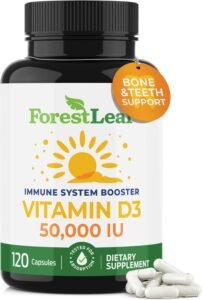
ForestLeaf Vitamin D3 50,000 IU Hig…
Product description The video showcases the product in use.The video guides you through product setup.The video…
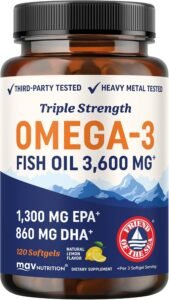
Triple Strength Omega 3 Fish Oil 36…
Product description Omega Essential Fatty Acids Add to Cart Add to Cart Add to Cart Add…
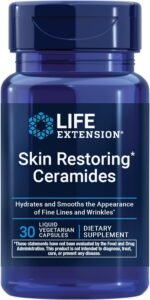
Life Extension Skin Restoring Ceram…
Skin Restoring Ceramides* is an oral supplement that can help you level up your beauty regimen!…
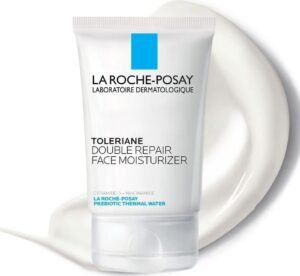
La Roche-Posay Toleriane Double Rep…
AQUA / WATER / EAU • GLYCERIN • SQUALANE • DIMETHICONE • ZEA MAYS STARCH /…
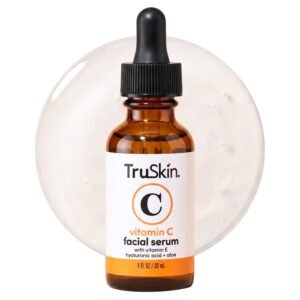
TruSkin Brightening Vitamin C Serum…
Product description Complete your regimen for nourished, glowing skin. Add to Cart Add to Cart Add…
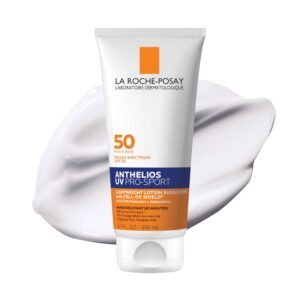
La Roche-Posay Anthelios UV Pro-Spo…
From the manufacturer 1 KEY INGREDIENTS 2 DERM INSIGHT 3 SAFETY COMPLETE THE ROUTINE Add to…
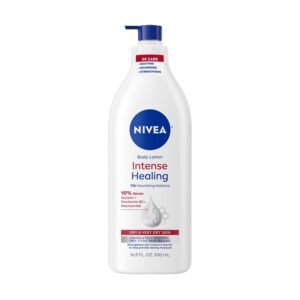
NIVEA Intense Healing Body Lotion, …
Immediately soothe dry, itchy skin feeling with NIVEA Intense Healing Body Lotion. Enriched with a 10%…