
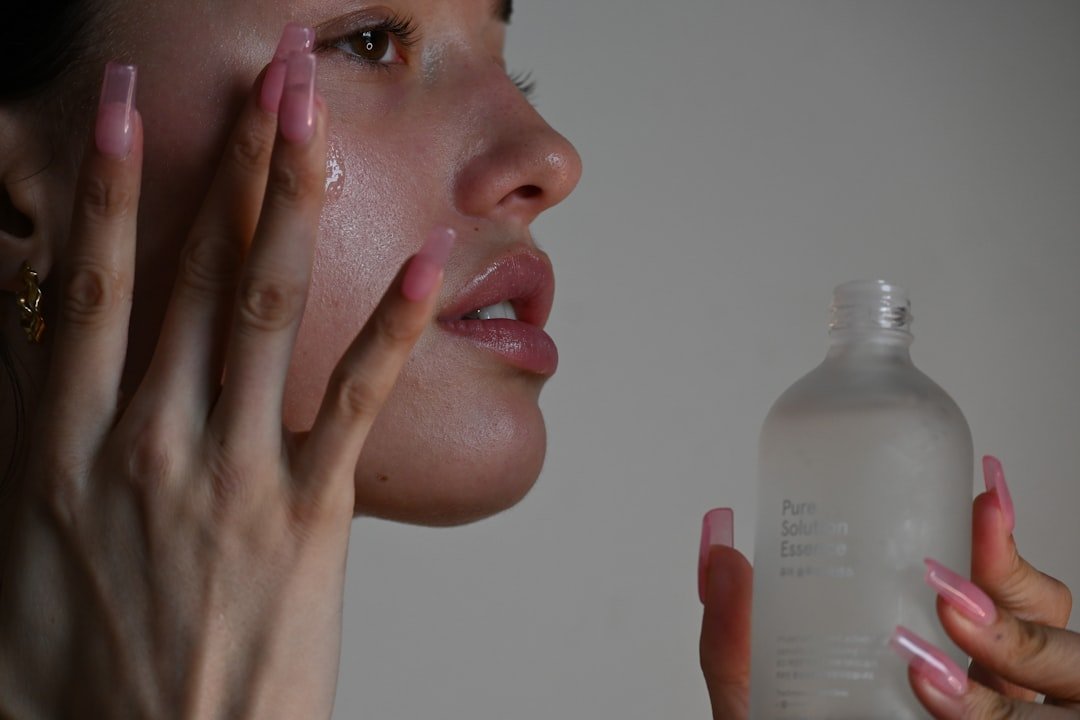
How to Choose the Right Moisturizer for Your Skin
Choosing the right moisturizer can feel overwhelming: formulas, textures, and ingredient lists all claim to be the solution. The right choice depends less on hype and more on matching a product to your skin’s needs and your routine.
This guide breaks the decision down into clear, practical steps you can follow today—plus a simple checklist and a short FAQ to answer common concerns.
1. Start by identifying your skin type
Before you look at ingredients, determine if your skin is oily, dry, combination, sensitive or normal. Use a gentle cleanser and observe how your skin behaves over a day: tightness and flaking suggest dryness, shininess and visible pores suggest oiliness, and redness or stinging suggests sensitivity.
If you need help establishing a baseline, use a mild product from the site’s facial category to remove makeup and grime without altering your natural skin balance: facial cleansers.
2. Know the key moisturizing ingredients
Look for ingredients that actually help skin retain water and repair the barrier. Ceramides, glycerin, hyaluronic acid and fatty acids are frontline choices. Ceramides, for example, restore the lipid layer that locks in moisture and prevents irritation—especially valuable for aging or dry skin.
For targeted barrier support and wrinkle reduction, products with concentrated ceramides can be very effective; consider formulations that specifically advertise ceramide content such as Life Extension Skin Restoring Ceramides as an adjunct to topical care.
3. Match texture and formulation to your needs
The feel of a moisturizer matters. Gels and lightweight lotions suit oily or combination skin because they hydrate without heaviness. Creams and balms are best for dry or mature skin because they contain more occlusive agents that lock in moisture.
If you prefer a dermatologist-developed, fragrance-free option that works well as a daily staple for many skin types, look at trusted formulations like the La Roche-Posay Toleriane Double Repair Face Moisturizer. It demonstrates how glycerin, niacinamide and ceramides can be combined for broad tolerability.
4. Choose specially if your skin is very dry or reactive
Very dry or reactive skin benefits from heavier, soothing formulations with humectants (like glycerin or hyaluronic acid) plus occlusives (like petrolatum, dimethicone or heavier oils). Fragrance-free and minimal-ingredient lists reduce the chance of irritation.
For body-specific dryness—hands, elbows, legs—the richer body lotions and healing formulas can provide faster relief than light face creams. A reliable, intensive option for very dry skin is the NIVEA Intense Healing Body Lotion, which focuses on long-lasting moisture for troubled skin on the body.
5. Day vs night: SPF and richer nighttime options
During the day, prioritize a moisturizer that either contains an SPF or layers well under sunscreen. UV protection is a non-negotiable part of preventing moisture loss and premature aging. At night, you can use a richer cream or an occlusive balm to repair the skin barrier while you sleep.
When you need combined daily sun protection and a lightweight feel, consider pairing your moisturizer with a trusted sunscreen such as La Roche-Posay Anthelios UV Pro-Sport SPF for reliable broad-spectrum coverage.
6. Ingredients to avoid if you’re sensitive
Certain additives increase the risk of irritation for sensitive skin: fragrance, alcohol denat, and some essential oils. If your skin reacts easily, choose fragrance-free and hypoallergenic labels and steer clear of heavy actives until you’ve tested them.
Fragrances are a common culprit in reactions; if you prefer fragranced personal care, treat them cautiously and patch-test first. Explore fragrance-free options rather than generic scented lines—avoid impulse purchases from the Perfume & Fragrance section when your skin is compromised.
7. Support skin hydration from the inside
Topical care is essential, but systemic factors—hydration, diet and supplements—also influence skin moisture and appearance. Collagen peptides, omega-3 fatty acids, and adequate vitamin D and electrolytes can support skin structure and barrier function over time.
If you’re considering nutritional support aimed at skin resilience, explore targeted options like collagen supplements alongside a balanced diet.
8. How to patch-test and introduce a new moisturizer
Always patch-test a new moisturizer on a small area (behind the ear or inner forearm) for 48–72 hours. Introduce one product at a time so you can clearly identify reactions. If adding active serums (retinoids, vitamin C, AHA/BHA acids), introduce them slowly and alternate nights to minimize irritation.
For ongoing guidance and to discover carefully curated options across categories, see the main site hub: TheHartmereEdit.
Checklist: How to select a moisturizer
- Identify skin type (dry, oily, combination, sensitive).
- Choose texture that fits your skin and climate (gel vs cream).
- Prioritize barrier-repairing ingredients (ceramides, glycerin, hyaluronic acid).
- Avoid known irritants if sensitive (fragrance, unnecessary essential oils, high alcohol).
- Use SPF during the day or pair with a reliable sunscreen.
- Patch-test new products for 48–72 hours.
- Consider internal support (nutrition, collagen) if you have chronic dryness.
FAQ
Q: Can one moisturizer work for both day and night?
A: Yes—if it’s lightweight enough for daytime and you layer sunscreen over it. For deeper repair, swap to a richer night cream or add a targeted overnight serum.
Q: Are “natural” moisturizers always better for sensitive skin?
A: Not always. Natural ingredients can be allergenic (essential oils, botanical extracts). Look for hypoallergenic, fragrance-free labels and perform patch tests.
Q: How soon will I see improvement after switching moisturizers?
A: You can notice immediate relief if the product restores moisture, but barrier repair and texture changes typically take 2–4 weeks of consistent use.
Q: Should oily or acne-prone skin skip moisturizers?
A: No. Oily skin still needs hydration. Choose non-comedogenic, oil-free, or gel-based moisturizers that won’t clog pores.
Q: Can supplements replace topical moisturizers?
A: Supplements can support skin health but don’t replace the immediate protective and hydrating effects of topical moisturizers. Combine both approaches for best results.
Conclusion
Choosing the right moisturizer comes down to matching texture and ingredients to your skin’s needs, protecting skin during the day, and testing slowly. Start simple: identify your skin type, pick a fragrance-free formula with humectants and barrier lipids, patch-test it, and adjust over a few weeks. That practical routine is the fastest route to hydrated, comfortable skin.
Products Featured in This Article
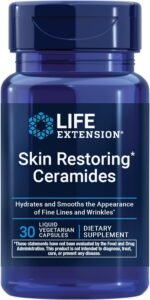
Life Extension Skin Restoring Ceram…
Skin Restoring Ceramides* is an oral supplement that can help you level up your beauty regimen!…
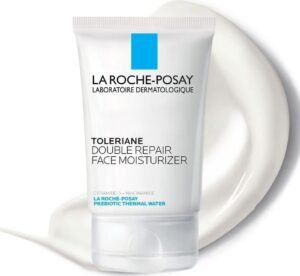
La Roche-Posay Toleriane Double Rep…
AQUA / WATER / EAU • GLYCERIN • SQUALANE • DIMETHICONE • ZEA MAYS STARCH /…
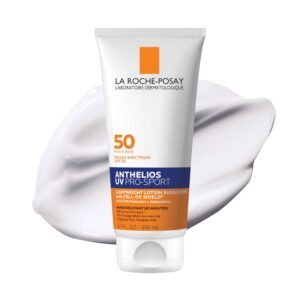
La Roche-Posay Anthelios UV Pro-Spo…
From the manufacturer 1 KEY INGREDIENTS 2 DERM INSIGHT 3 SAFETY COMPLETE THE ROUTINE Add to…
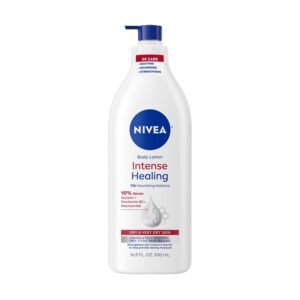
NIVEA Intense Healing Body Lotion, …
Immediately soothe dry, itchy skin feeling with NIVEA Intense Healing Body Lotion. Enriched with a 10%…