
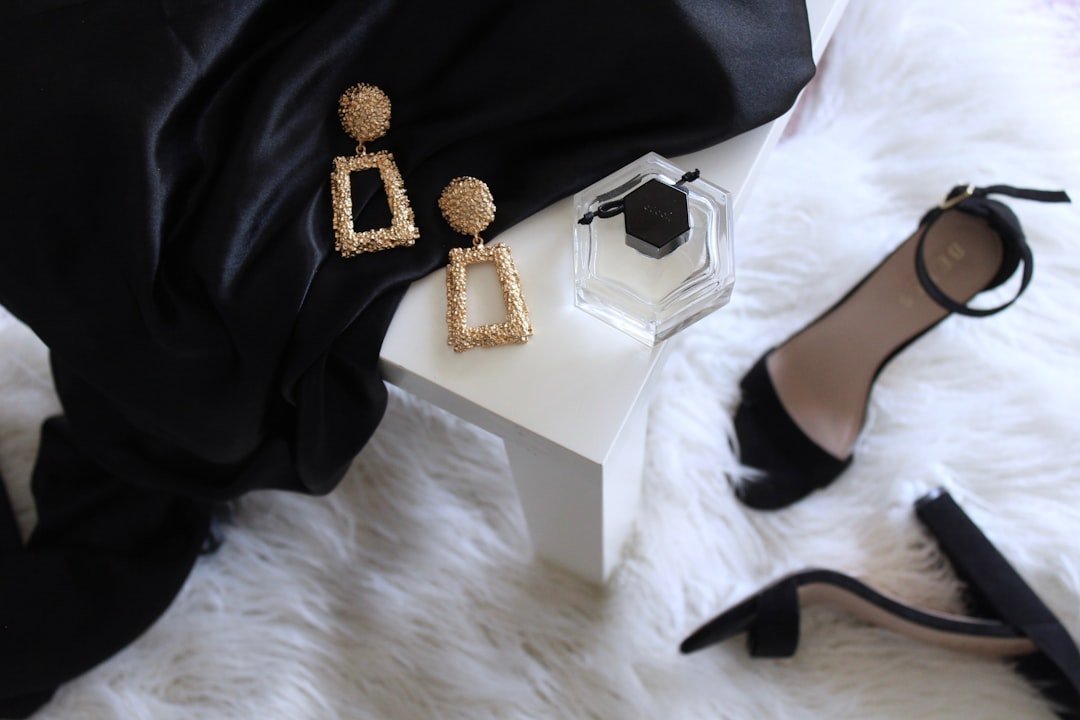
Quiet luxury isn’t about logos, trends, or complicated outfits — it’s a mindset: restrained, thoughtful, and polished. You can achieve a refined, expensive-looking aesthetic without owning a closet full of designer pieces or overcomplicating your daily routine.
This guide breaks the look into practical steps: what to buy, how to tailor, which fabrics matter, and which small details elevate an outfit. Follow these principles and you’ll build a quiet-luxury wardrobe that’s easy to wear and simple to maintain.
Fundamentals: What Quiet Luxury Really Means
Quiet luxury prioritizes quality, proportion, and restraint. Pick a neutral base palette (ivory, camel, navy, grey, black) and limit high-contrast or bright pieces. Focus on timeless silhouettes rather than trends and avoid loud branding.
Choose one standout investment accessory instead of many competing pieces — a classic watch can anchor your look and communicate refinement with minimal effort. Consider a well-made timepiece: Watches.
Build a Neutral Capsule Wardrobe
Start with a short list of reliable garments that mix and match easily: a tailored blazer, quality knit, crisp white shirt, a simple dress, and one pair of structured trousers. Tailoring makes basics look luxe — well-cut pants change the whole outfit.
For example, invest in smart bottoms that hold shape and drape cleanly; a pair of perfectly cut tailored trousers is one of the quickest ways to look polished: Tailored Trousers.
Focus on Fit and Tailoring
Fit is non-negotiable. Even inexpensive fabrics look luxurious when clothing fits. Learn basic adjustments: hemming trousers, shortening sleeves, taking in a waist. Small tailoring changes (nip a blazer at the waist, taper a sleeve) add structure and intent.
If you can, create a relationship with a local tailor. Ask for subtle adjustments rather than dramatic redesigns — the goal is to enhance the garment’s natural lines and keep proportions balanced.
Invest in Fabric and Subtle Details
Material choices define quiet luxury. Natural fibers (wool, silk, cotton, cashmere, linen) usually look richer and age better than synthetics. Pay attention to weight and weave — a dense wool blazer or heavy silk blouse reads more expensive.
Look for clean finishes: covered buttons, tonal stitching, invisible zippers, and lined jackets. These small details signal quality without shouting for attention.
Understated Accessories That Elevate
Accessories should complement, not compete. A clean leather bag with minimal hardware elevates even jeans-and-tee looks. Choose structured shapes and muted tones for maximum versatility: Leather Handbags.
Scarves are an easy way to introduce texture and pattern while keeping elegance restrained; a quality silk or cashmere scarf tied simply around the neck or bag handle suggests effort without fuss: Scarves.
Grooming and Beauty: The Subtle Power of Good Skin and Scent
Well-cared-for skin and a light, signature scent are part of the quiet-luxury formula. A consistent, simple skincare routine that focuses on hydration and sun protection will keep your complexion polished and natural.
Treat serums as targeted upgrades — a hydrating or rejuvenating face serum applied consistently can improve texture and glow: Face Serums.
For daily maintenance, choose a reliable moisturizer that suits your skin type; it keeps makeup minimal and skin healthy: Face Moisturizers.
Finishing Touches: Light Fragrance and Sunglasses
A subtle, well-chosen fragrance completes a quiet-luxury identity. Opt for sophisticated, understated blends that sit close to the skin and evolve gently: Perfume & Fragrance.
Sunglasses lend instant polish and privacy. Pick classic shapes in neutral frames that flatter your face and pair with most outfits: Sunglasses.
How to Shop and Maintain a Quiet-Luxury Wardrobe
Shop intentionally. Before buying, ask: does it match my palette, will it pair with three other pieces, and does it add value to my wardrobe? Quality over quantity is the rule — one well-made piece lasts years and looks better over time.
Care extends lifespan. Follow garment care labels, air out leather goods, and repair small issues (loose button, pulled seam) immediately. Regular maintenance keeps pieces looking new and intentional.
Quick Checklist
- Neutral base palette: 3–5 core colors.
- Three investment pieces: blazer, tailored trousers, structured bag.
- One statement yet classic accessory (watch or sunglasses).
- Two reliable skincare steps: serum + moisturizer.
- Minimalist grooming: clean hair, subtle scent, neat nails.
- Regular tailoring and garment care plan.
FAQ
Q: Is quiet luxury the same as minimalism?
A: Not exactly. Minimalism focuses on fewer items; quiet luxury emphasizes quality, tailoring, and restraint. You can be quiet-luxury with more pieces if they’re cohesive and well-made.
Q: How much should I spend on investment pieces?
A: Prioritize spending on pieces you’ll wear most often (coats, shoes, handbags). You don’t need designer prices — look for good materials and construction. Tailored fit often matters more than brand.
Q: Can I achieve the look on a budget?
A: Yes. Shop secondhand for high-quality fabrics, focus on fit and maintenance, and allocate a small budget to tailoring. One well-fitted thrifted blazer can look much more expensive than a new ill-fitting one.
Q: What are safe accessory choices for quiet luxury?
A: Choose structured leather bags, simple metal jewelry, classic sunglasses, and a refined watch. Avoid oversized logos and flashy embellishments.
Q: How do I translate this look to warmer or casual climates?
A: Swap heavy fabrics for breathable versions (linen, lightweight silk), keep proportions tailored (structured shirts, tapered trousers), and maintain clean grooming and neutral palettes.
Conclusion
Quiet luxury is attainable through careful choices: a neutral palette, impeccable fit, quality fabrics, selective accessories, and consistent grooming. Start with a small capsule, invest in one or two key pieces, and maintain them — the result is a lasting, effortless look that reads refined without complication.