
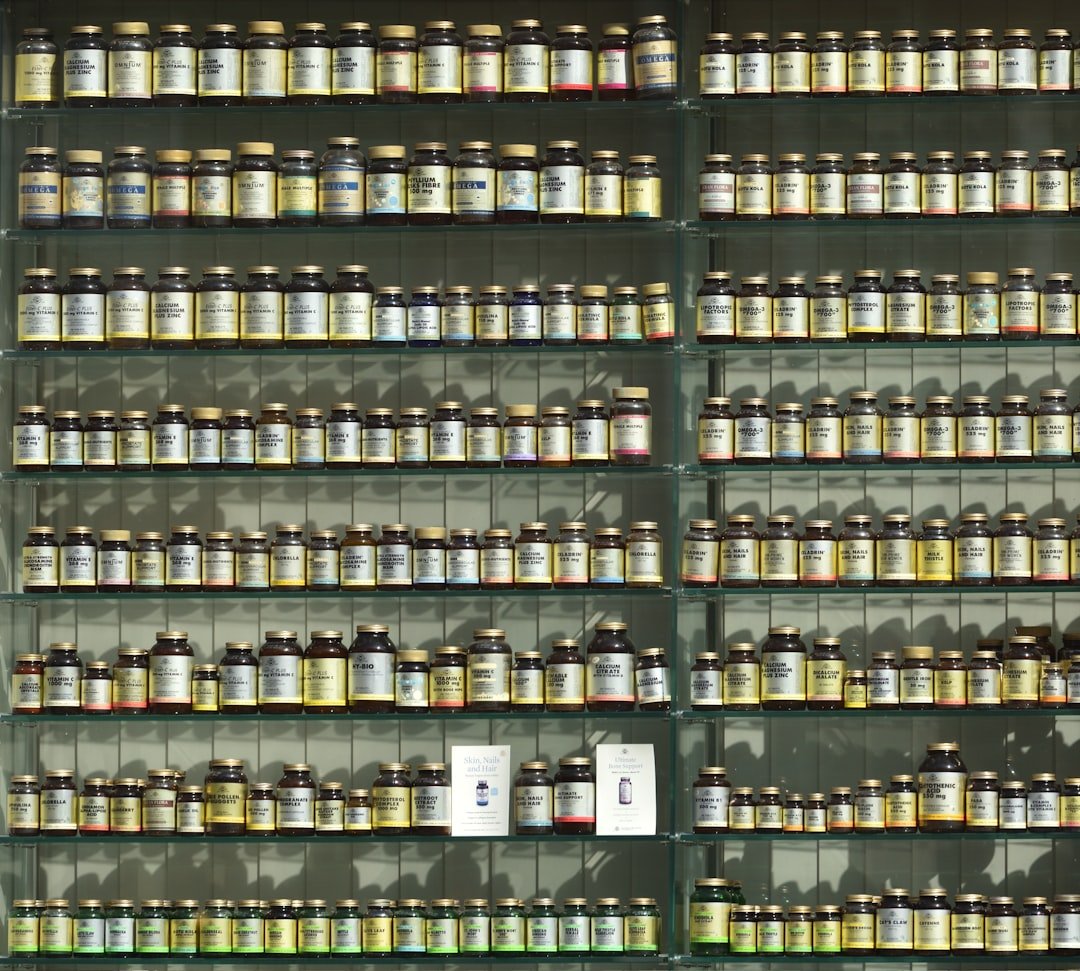
Keeping vitamins and supplements organized protects their potency, reduces waste, and keeps your household safe. With a clear system you’ll spend less time hunting for the right capsule and more time sticking to the regimen that supports your health goals.
This guide walks you through a practical, room-by-room approach to inventorying, storing, and using supplements safely at home. Follow these steps to build a routine that’s simple, visible, and child- and pet-safe.
1. Take inventory: what you really have
Start by gathering every bottle, packet, and jar into one spot. Note the product name, dose, serving size, expiration date and whether it’s prescription or OTC. If you use a specific brand or formulation regularly—like a targeted multivitamin—make a short note next to it. For example, if you take an age-specific product, compare it to options in the Multivitamin Supplements category to confirm it meets your current needs and to decide whether to keep or replace duplicates.
2. Know storage needs and read labels
Labels tell you where to keep each item: cool, dry, dark, or refrigerated. Some formulations (like certain liquids, probiotics and high-dose vitamin forms) require refrigeration; many pills do not. Keep items with special requirements together and clearly separated. For vitamin D and similar fat-soluble vitamins, check storage recommendations against trusted categories such as Vitamin D Supplements to see how concentrated forms are packaged and stored.
3. Sort and group by frequency and dosing
Make daily-use items accessible and weekly or monthly items less visible. Grouping by how often you take something reduces dosing mistakes and speeds your routine. Typical groups: daily (multivitamin, omega‑3), evening (magnesium), weekly (high-dose vitamin D or prescription doses). If you use magnesium regularly, compare formats and serving sizes to listings in the Magnesium Supplements category when deciding which bottle to keep handy.
4. Choose containers and a home for each group
Use clear, airtight containers for opened bottles to reduce humidity exposure. Small drawer organizers, stackable bins, or a labeled basket work well. Reserve one low-dust shelf or drawer for pills and a small mini-fridge or drawer for items that must stay cold. For tablets kept in original bottles, retain the original packaging when possible because it includes important labeling. If you transfer a supply, attach a label with the full product name, dose, and expiration. Look at examples of how manufacturers bottle and label supplements—products like Metagenics Magnesium Citrate show typical labeling to copy when you make your own tags.
5. Special handling for oils, probiotics and concentrated formulas
Oils (fish oil, certain liquid vitamins) oxidize with heat and light; store them in a cool, dark place or refrigerated after opening if label instructions advise. Softgels and concentrated fish oils sometimes have a shorter on-shelf durability once opened—consider keeping a smaller bottle for daily use and the bulk supply sealed elsewhere. If you use high-potency omega‑3s, keep dosing and storage clear—examples like Triple Strength Omega 3 Fish Oil illustrate how concentrated oils are packaged and why attention to storage matters.
6. Childproofing and pet safety—non-negotiable steps
Store supplements out of sight and reach of children and pets, ideally in a high cabinet with a childproof latch or a locked drawer. High-potency products and large capsules are especially dangerous. Keep potent items and prescription supplements separate and secured. For instance, concentrated vitamin D formulations should never be left accessible; products such as ForestLeaf Vitamin D3 50,000 IU are an example of a high-dose item that belongs in a locked or elevated location away from children and pets.
7. Labeling, rotation and expiration management
Always write the date you opened a bottle and its expiration on the label with a permanent marker. Arrange supplies so the oldest items are in front and will be used first. If you purchase large multi-month supplies, decant a smaller current-use bottle and keep the unused bulk sealed to preserve freshness. Use a visible inventory list (paper, whiteboard, or simple app) that records when a product needs replacing. When reviewing bottles, compare names, forms and expiry to a reliable product listing such as Centrum Minis Silver Women’s multivitamin to see how multi-ingredient labels are often structured.
8. Daily systems and travel tips
Create a morning or evening station: a clean tray or small basket where you place the day’s supplements. Use a weekly pill organizer for time-of-day dosing and keep a labelled travel kit for short trips (a small zip pouch with copies of labels and the exact product names). If you carry omega‑3s or oily capsules while traveling, keep them in a cool, shaded part of your bag and avoid long sun exposure; check concentrated options in the Omega-3 Fish Oil Supplements category for portable formats and serving guidance.
Quick checklist
- Gather all supplements and list name, dose, expiration.
- Group by use frequency: daily, nightly, weekly, occasional.
- Store oils and heat-sensitive items in cool, dark places (refrigerate if instructed).
- Label opened bottles with the date and rotate supplies FIFO (first-in, first-out).
- Keep high-dose and prescription items locked and away from children/pets.
- Keep a small daily kit or pill organizer for routine compliance and travel.
FAQ
- How long do supplements last once opened?
It varies: tablets generally last until the printed expiration if kept dry; oils and liquids often degrade sooner after opening. Always follow the product label and mark the open date.
- Can I store all pills together?
Better to group by storage needs and dosing frequency. Keep sensitive formulas (oils, probiotics, high-potency vitamins) separate from routine tablets.
- Is the bathroom cabinet OK?
Bathrooms can be humid and warm; a cool, dry cabinet or kitchen cupboard away from the stove and sunlight is preferable for most supplements.
- How do I keep track of expirations?
Label bottles with the open date, keep oldest-forward, and check your inventory monthly. Discard any supplements past expiration.
- What’s the safest way to travel with supplements?
Use original labeled containers for checked luggage when possible, or transfer a few days’ supply into a clearly labeled pill organizer for carry-on. Keep a list of product names and doses in your bag.
Organizing supplements is a small time investment that prevents mistakes, saves money, and keeps everyone safer. Start with an inventory, establish one visible home for daily items, and lock away high-potency or prescription products. With a simple labeling and rotation habit, you’ll maintain potency and make daily compliance effortless.
Products Featured in This Article
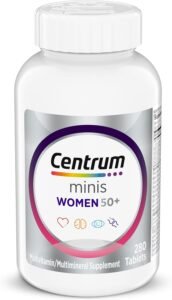
Centrum Minis Silver Women’s …
Centrum Minis Silver Women’s Multivitamin for Women 50 Plus brings you a multivitamin/multimineral supplement that helps…

ForestLeaf Vitamin D3 50,000 IU Hig…
Product description The video showcases the product in use.The video guides you through product setup.The video…
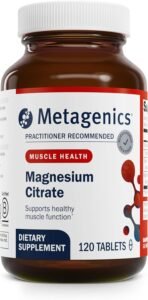
Metagenics Magnesium Citrate, Chela…
Product description Discover More Products from Metagenics Add to Cart Add to Cart Add to Cart…
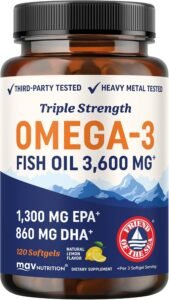
Triple Strength Omega 3 Fish Oil 36…
Product description Omega Essential Fatty Acids Add to Cart Add to Cart Add to Cart Add…