

What to Consider Before Adding Supplements to Your Routine
Supplements can fill gaps, support specific goals, or help manage symptoms when diet alone isn’t enough. But they’re not one-size-fits-all: the right choice depends on your health status, lifestyle, and the quality of the product you pick.
This guide walks through the practical steps to evaluate whether a supplement belongs in your routine, how to choose one, and how to use it safely and effectively.
1. Define your goals clearly
Start by being specific about why you think a supplement might help. Are you aiming for general nutritional insurance, performance support, better sleep, or to address a known deficiency? For broad nutritional coverage, a reputable multivitamin can be a sensible starting point, especially if your diet is inconsistent.
2. Get a baseline: testing and professional input
Before adding targeted supplements, confirm need with objective data when possible. Simple blood tests (e.g., vitamin D, iron, B12) are inexpensive and informative. If a lab shows deficiency, choose an appropriate formulation — many people discover low vitamin D only after testing and then follow a treatment plan based on results. For examples of targeted options, review the available vitamin D supplements to match potency and dosing to your lab results and provider’s advice.
3. Understand safety and interactions
Supplements can interact with medications and each other. For example, certain fish oil and omega-3 products can increase bleeding risk when combined with anticoagulants; that’s why it’s essential to review interactions for relevant classes like omega-3 fish oil supplements if you’re taking blood-thinning medications. Keep an up-to-date list of your prescriptions and share it with any clinician advising on supplements.
4. Prioritize quality, purity and reliable sourcing
Not all supplements are created equal. Look for brands that provide third-party testing, clear ingredient lists, and transparent sourcing. For minerals like magnesium, formulation matters: some forms are better absorbed or tolerated than others. If you’re considering magnesium for muscle cramps or sleep support, review products within the magnesium supplements category and choose forms (e.g., citrate, glycinate) that fit your needs and tolerance.
5. Timing, dosage and form matter
How and when you take a supplement affects effectiveness and side effects. Fat-soluble vitamins (A, D, E, K) are better absorbed with food; some amino acids or protein supplements are most useful around workouts. If your goal is muscle recovery or meeting higher protein needs, consider quality protein powder supplements and match serving size to your activity and calorie needs rather than assuming “more is better.” Always start at the lowest effective dose and adjust based on response and any lab follow-up.
6. Treat diet and lifestyle as the foundation
Supplements are additions, not replacements, for a nutritious diet and healthy habits. Invest first in whole food variety, adequate sleep, stress management, and regular movement. For gut health or digestion-related goals, targeted products like probiotics can complement dietary changes; review trusted probiotic supplements if persistent digestive issues remain after improving diet.
7. Consider special populations separately
Pregnancy, breastfeeding, older adults, and chronic conditions change nutritional needs and safety profiles. For example, older adults often need adjusted nutrient forms or dosages to support bone and cognitive health; some multivitamin formulations are specifically tailored for those 50+. If you’re shopping for an age-specific product, consider evidence-based options such as targeted formulas like Centrum Minis Silver Women’s multivitamin for 50+ and match the product to your life stage and provider recommendations.
8. When targeted, choose products that match the problem
For purposeful supplementation — hydration, electrolyte replacement after heavy exercise, or rapid repletion of lost minerals — pick a product formulated for that situation. If you sweat heavily, travel in heat, or follow a low-carb plan that increases electrolyte needs, a complete electrolyte formula can be more practical than individual salts. Compare ingredient profiles and added sugars; for example, electrolyte powders designed for athletes can be a convenient option, such as Zeal Naturals Electrolyte Powder for targeted rehydration and recovery.
Checklist: Quick decision guide
- Define the specific goal you want to address.
- Get baseline labs or professional advice for targeted needs.
- Check for drug–nutrient interactions before starting.
- Choose third-party tested products and appropriate forms.
- Match timing and dose to the nutrient’s absorption profile.
- Treat supplements as additions — optimize diet and lifestyle first.
- Reassess needs periodically and stop supplements if no benefit or if side effects occur.
FAQ
Q: Should I take a daily multivitamin?
A: A daily multivitamin can be useful if your diet lacks variety or if testing shows marginal intake of multiple nutrients. It’s not a substitute for a balanced diet and should be chosen to match age and sex-specific needs.
Q: How long until I see benefits from a supplement?
A: It depends on the nutrient and the goal. Some effects (energy, digestion) may be noticed in days to weeks; correcting a lab-confirmed deficiency can take weeks to months. Track symptoms and labs where relevant.
Q: Can supplements replace prescriptions or medical treatment?
A: No. Supplements can support health but are not replacements for prescribed medications or medical care. Coordinate any changes with the clinician managing your health conditions.
Q: Are natural or herbal supplements safer than synthetic ones?
A: “Natural” doesn’t automatically equal safe. Herbal products can have potent effects and interactions. Prioritize products with transparent labeling and evidence of safety and discuss with a clinician if you take medications.
Q: How do I know if a product is third-party tested?
A: Look for seals or statements on packaging that mention independent testing organizations, batch-specific certificates of analysis (COAs), or company transparency pages that publish test results.
Conclusion: One practical takeaway
Make supplement decisions deliberately: clarify the goal, verify need with testing when possible, choose quality products, and monitor response. Lean on diet and lifestyle first, and use targeted supplements as a measured, evidence-oriented addition to your routine.
Products Featured in This Article
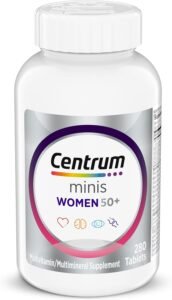
Centrum Minis Silver Women’s …
Centrum Minis Silver Women’s Multivitamin for Women 50 Plus brings you a multivitamin/multimineral supplement that helps…
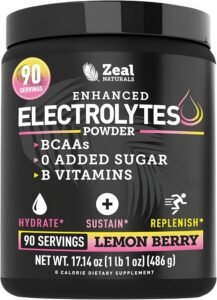
Zeal Naturals Electrolyte Powder &#…
Product description Electrolyte Powder Recovery Drink – Sugar Free – for Men & Women Hydration Supplement…